

Boozhoo. Hello.
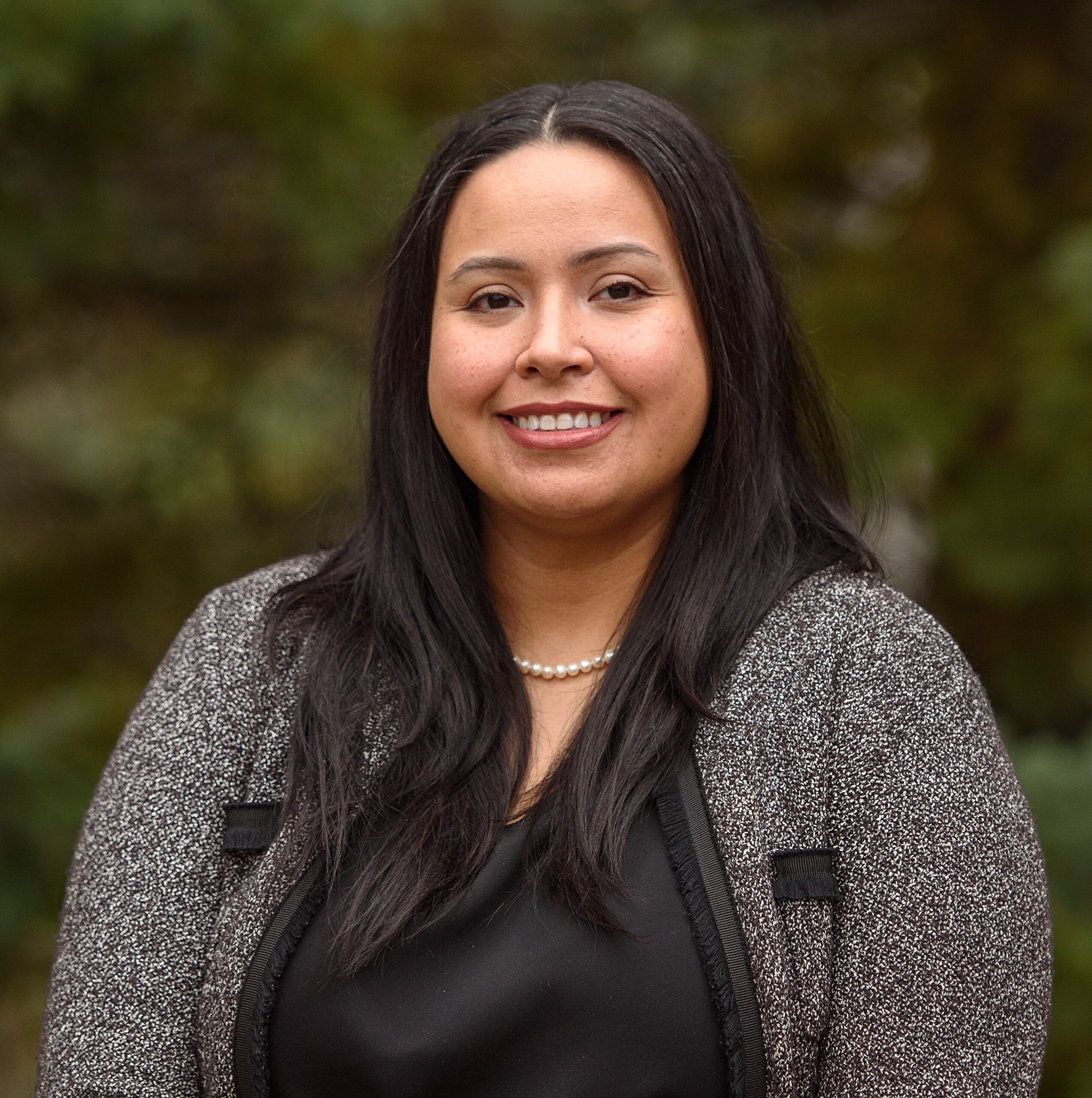
This first piece will serve as my introduction to you as a visitor to this brand-new website. Whether you are a long-time resident, a newcomer, or visitor to Kenora, I hope this space serves as gentle encouragement to learn more about Anishinaabe culture here in Treaty #3. My writing comes from the perspective of an Anishinaabekwe—an Anishinaabe woman—living, learning, and connecting to culture in community and personal ways.
I was born and raised in Kenora, spending my childhood fishing with my dad on Lake of the Woods and Winnipeg River. My family roots stretch to Onigaming First Nation, an hour and a half south by Nestor Falls, and to Shoal Lake #40 First Nation, by the Manitoba border. My maternal grandmother was originally from Couchiching First Nation just outside of Fort Frances. I share this because acknowledging where I come from affirms my identity and place within the Anishinaabe Nation of Treaty #3.
Growing up in Kenora
Growing up as a “native”—a word that was most often used when I was a child—was complicated. It was a mix of pride, hurt, resilience, and sometimes shame. The word itself carried a lot of weight. It was how people identified us, often in a way that made me feel less than, but it was also a reminder that we were distinct. My experiences in Kenora were filled with heartache, triumph and strength, and in many ways they still are.
When I look back now, I see how much of my journey has been about reclaiming strength in my identity. Today, I choose to focus on the resilience, love, and beauty that come with being Anishinaabe. I want to highlight not only my struggles, but also the joy and pride of living as an Anishinaabekwe.
Not a title holder, but a learner
Just to be clear: I am not an Elder or a knowledge keeper entrusted with sacred responsibilities. I am not a champion powwow dancer nor a skilled beader or crafter. I never lived on the rez though I did spend a lot of time there visiting with family. My strength comes instead from my willingness to learn, and to share reflections from the perspective of someone who is still on this path.
For me, learning about traditional governance systems, the beauty of Anishinaabemowin (our language), and listening to the stories of Elders and knowledge keepers has been transformative. These teachings shape the way I see myself and the way I want to raise my son.
Struggles with identity
There was a time when I was a small child, when I wish I had blonde hair and blue eyes. You can probably guess as to why. I wanted to fit in and look like the kids I saw on TV or even in my classroom. I’ve come a long way since. But I will sometimes find myself wrestling with feelings of “not being enough.” Not Anishinaabe enough. Not connected enough. Not a “real nish person.”
I know I’m not alone in feeling this. Many Indigenous people who grew up in towns or cities, or who didn’t have strong connections to ceremony and language feel a similar tension. It’s an ongoing process of remembering that being Anishinaabe is not a competition. It is about our roots, our relations, and our responsibilities.
Learning through community
When I struggle, I find it healing to listen to others share the history of our people. Recently I attended part of a cultural camp put on by Anishinaabeg of Kabapikotawangag Resource Council (AKRC) out at Powwow Island in Wauzhushk Onigum.
For those who may not know, AKRC provides advisory and technical services to its member First Nations: Big Grassy First Nation, Nortwest Angle #33 First Nation, Animakee Wa Zhing 37 (previously known as Northwest Angle #37), Ojibways of Onigaming First Nation, and Wauzhushk Onigum First Nation. The word Kapapikotawangag refers to the sand dunes on Lake of the Woods—literally, “lake of the sand dunes.”
At the camp, I had the privilege of listening to Ken Nash speak about the history of AKRC and the people involved in its formation. He spoke about fisheries, governance, and the strength of our communities. His words reminded me that our history is not just in textbooks or archives. It is alive, told by those who lived it and carried it forward. Listening to him filled me with pride. Pride to be Anishinaabe. Pride to be rooted in Treaty #3.
Everyday culture
Lifestyle, for me, is not just about hobbies, food, or routines—though those matter too. It’s about how culture weaves its way into daily life. It’s in the way we greet each other with a “Boozhoo.” It’s in the way a grandmother might remind us to offer tobacco before fishing. It’s in the laughter at a community feast or the quiet moments when someone shares a teaching.
I don’t live a life of constant ceremony or traditional practices. But I try in my own way to bring Anishinaabe values into everyday life: respect, kindness, humility, love. These values guide how I raise my son, how I do my work, and how I show up in community.
Looking ahead
As I contribute to this portal, my goal is to share pieces of this journey with you. Not as an expert, but as someone who is learning and living in Treaty #3. I’ll share stories, reflections, and insights about being an Anishinaabekwe in Kenora. Some pieces will be personal, others will highlight culture, language, or community events. My hope is that this column feels like a conversation—one that is welcoming, open, and grounded in respect.
So whether you are Anishinaabe yourself, a newcomer to Kenora, or simply someone curious to learn more, I invite you to walk alongside me. Ask questions, listen deeply, and reflect on what Anishinaabe presence means in this place we call home.
I am proud to begin this journey here with you.
Miigwech. Thank you.