


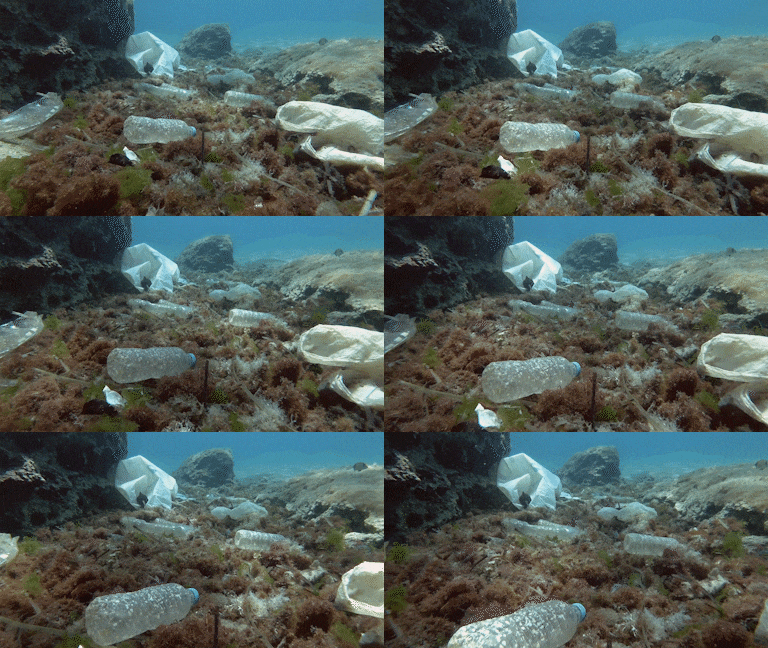
Imagine a plastic that disappears in water. Like completely. Plastic that doesn’t break down over months or years, but dissolves completely in just a few hours. That’s exactly what scientists in Japan have developed, and while it’s still in early stages, the potential for communities like Kenora is huge.
The Science Behind It
The new plastic was co-developed by researchers at the University of Tokyo and the RIKEN Centre for Emergent Matter Science (CEMS). It’s made by combining two small molecules that form a strong, flexible bond, giving the material durability while allowing it to break down rapidly in natural environments.
What sets this innovation apart is its speed and completeness of decomposition. When placed in a saltwater solution mimicking ocean conditions, the plastic dissolved entirely within two to three hours. Unlike many biodegradable versions that leave behind microplastics, this material leaves no trace.
Even more promising, the plastic also decomposes in soil, with a 5 cm piece vanishing in just over 200 hours. This dual-environment breakdown opens doors for broader applications — from packaging to agriculture — and raises the possibility of future versions that could dissolve in freshwater systems, like those found throughout Kenora.
Lead researcher Takuzo Aida noted the material’s potential for reducing packaging waste, especially in countries like Japan where plastic use is high. If adapted for freshwater, this could be a major step toward protecting ecosystems like our Lake of the Woods, where plastic waste can linger for years and harm wildlife.
What This Means for Kenora
While Kenora’s lakes — like Black Sturgeon, Laurensons Lake and Rabbit Lake — are freshwater, not seawater, the innovation still holds promise. If this plastic can be adapted to break down in freshwater environments, it could be a game-changer for protecting our local waters.
Because litter isn’t just a big-city problem. Even here, it’s not uncommon to find snack wrappers left behind on trails or wrappers caught in the reeds.
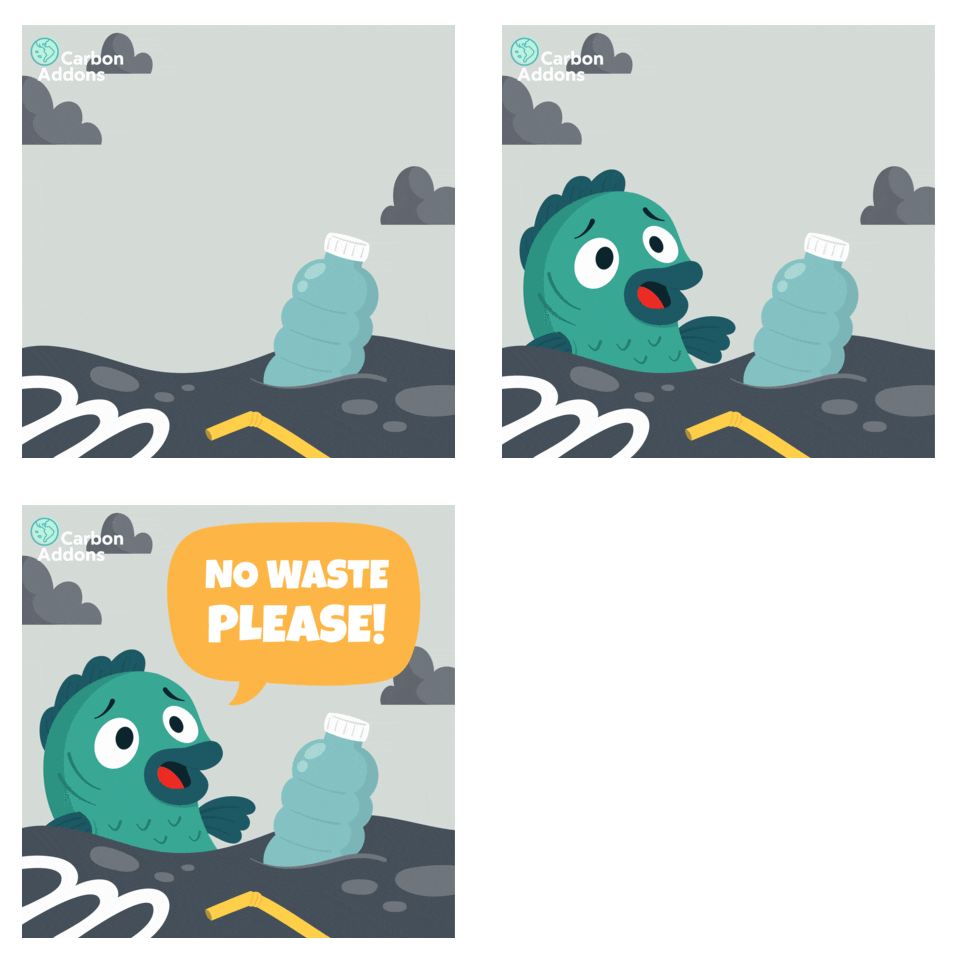
These small bits of waste can have a big impact on our ecosystems, harming fish, birds, and even entering our food chain. A plastic that vanishes could help reduce long-term damage, but until it’s widely available, our best defense is prevention.
That means being mindful of what we bring into the outdoors and what we leave behind.
Tips for Reducing Plastic Waste in the Outdoors
Whether you’re hiking, boating, or casting a line off the dock, here are some easy ways to keep Kenora clean and beautiful:
Hiking & Exploring
Kenora is home to some of the most scenic trails in Northwestern Ontario, from Tunnel Island to Vernon Nature Trails. But even a short hike can generate waste if we’re not careful.
- Pack snacks in reusable containers or beeswax wraps.
- Bring a refillable water bottle. Avoid single-use plastic bottles.
- Carry a small trash pouch to collect your own waste (and maybe a bit extra).
- Choose natural fiber clothing and gear when possible, synthetic fabrics can shed microplastics.
Fishing
Whether you’re casting off the dock or heading out to Crow Rock, fishing is a way of life here. But it’s also a common source of plastic pollution.
- Use biodegradable fishing line or recycle used line at designated stations.
- Store tackle in durable, reusable boxes.
- Avoid plastic bait containers, transfer bait to a reusable jar or tin.
- Always pack out what you pack in, including broken lures or packaging.
Boating and Beach Days
Summer in Kenora may be wrapping up, but whether packing up for the winter or getting ready for the season, boats and beaches can still be hotspots for accidental litter.
- Keep a designated trash bag on board your boat.
- Use reusable cups, plates, and cutlery for picnics.
- Invest in stainless steel straws and bring a reusable cooler.
- Avoid glittery or plastic-based sunscreens, they can wash off and harm aquatic life.
Looking Ahead
The plastic developed in Japan is still in its early stages, but it’s a hopeful sign that science is catching up to the scale of the problem. In the meantime, our choices matter. Especially in a place as naturally rich and ecologically sensitive as Kenora.
By staying mindful in how we hike, fish, and enjoy the water, we can help ensure that our lakes, trails, and forests stay clean for generations to come.


