


By Lucas-Matthew Marsh, Local Journalism Initiative Reporter
Source: Iori:wase
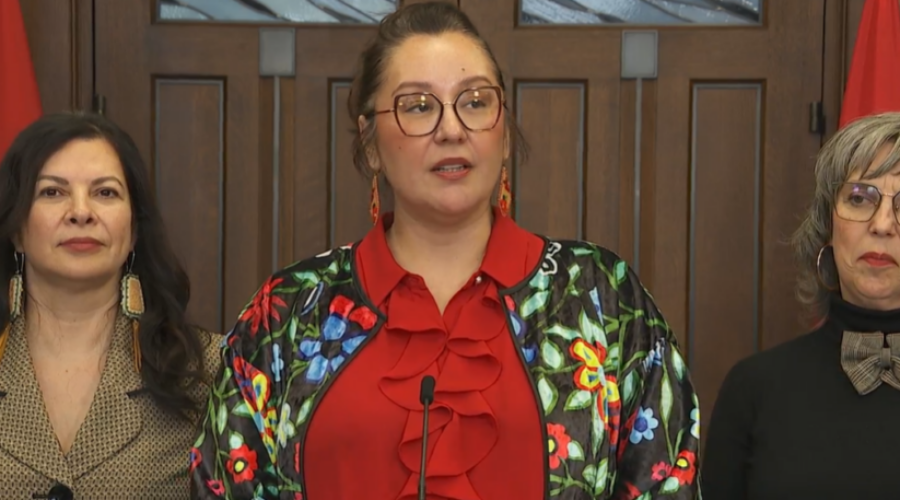
Minister of Indigenous Services Canada Mandy Gull-Masty announced that the federal government will invest nearly $1.4 billion over eight years to support Indigenous health services across the country.
According to Gull-Masty, this funding will ensure that Indigenous peoples have access to reliable and culturally informed health services.
“Indigenous–led organizations and community leaders are driving meaningful change in health and wellness,” Gull-Masty said. “By investing in critical health, wellness, urban programming, and assisted living programs, we are supporting care that is culturally rooted, community–driven, and life–changing.”
The funding will be distributed through three programs, each with different timeframes. The first program allocates $168 million to Urban Programming for Indigenous Peoples (UPIP) over a five-year period.
The National Association of Friendship Centers (NAFC) and the Ontario Federation of Indigenous Friendship Centres will administer the UPIP funding. Pamela Glode-Desrochers, President of NAFC, said it will ensure Indigenous people in urban centers who rely on friendship centers have continued access to these services.
“Friendship Centers are at the heart of urban Indigenous communities and play a critical role in supporting individuals, families, and communities to thrive,” Glode-Desrochers said. “This five-year investment provides important stability, allowing Friendship Centers to continue delivering the programs and services that Indigenous Peoples rely on every day, while creating new opportunities to build on this strong foundation through future partnerships and investments.”
A second program will provide $630 million over two years for mental health and trauma services. This funding will support 83 opioid agonist therapy sites, 77 Mental Wellness Teams serving 385 First Nations and Inuit communities, as well as crisis lines for Survivors and families affected by Residential Schools and the MMIWG2S+ crisis.
The third program allocates $592.4 million to assisted living programs for low-income individuals with chronic health conditions living on reserves. This funding will be in place until 2034.
“These investments will ensure access to essential supports — both in urban centres and in First Nations communities — advance healing and dignity and help ensure Indigenous Peoples can receive care that reflects their realities and strengthens communities for generations to come,” Gull-Masty said.