

Ontario’s Liberal Party leader Bonnie Crombie resigned yesterday after only 57% of her party expressed support for her leadership.
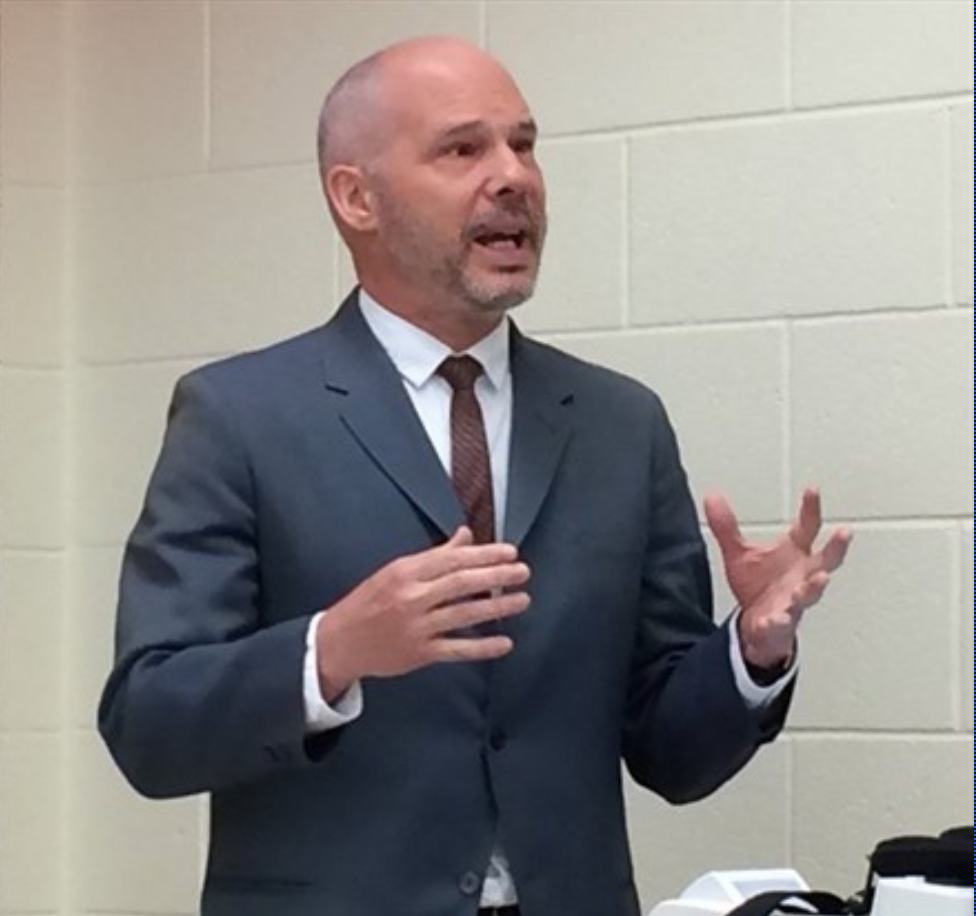
While 57% may seem like a lot, Dennis Pilon, Chair of the Department of Politics at York University, argues it’s a poor showing: “I think people feel that the leader needs not just the majority, but a significant amount of support.”
Now, the Ontario liberals will have to choose a leader for the third time since 2018, following three third-place defeats. Dr. Pilon believes that losing her own riding was a big factor in Crombie’s downfall. “It’s really hard to retain the leadership of a party when you’re not in the house… obviously not winning the election is a failure, but not even winning your seat is even lower,” Pilon says.
Voter turnout matters
Ontario’s 2025 election saw 45% of eligible voters show up to the polls… up 1% from 2022. But the two most recent provincial elections have together seen far lower turnout than prior elections: in 2018, turnout was more than 56%.
Dr. Pilon says voter turnout has played an important role in election outcomes.
“In many ways, the provincial government is more important than the federal government. In terms of day-to-day lived reality, the control the provincial government has over health, over education, over the way jobs are regulated: all that kind of stuff is provincial… and yet, people didn’t race to the polls.”
Pilon points out that the province’s Progressive Conservative (PC) Party has a very satisfied and loyal group of voters, while the other parties are currently more dependent on their voters’ willingness to support them.
“Basically, it was an election about Doug Ford. He was larger than life: people knew who he was, they had a sense of what he was about. The others? Yeah. You know, they just didn’t have a sense of who these people were, and what they represented.”
Who will lead the Liberals going forward?
“You’re asking the 64 million dollar question,” Dr. Pilon said when asked who may lead the Liberals. “A great deal of analysis of elections is really kind of alchemy. Nobody knows exactly what triggers a shift in the public sense of which way the wind is blowing.”
Dr. Pilon believes Bonnie Crombie appeared on paper to be an ideal candidate, by blending the Liberal Party’s business and social bases. “She should have been a dream candidate. She should have been able to walk all over Doug Ford.”
But that certainly didn’t happen. “Doug Ford struck a chord with a certain kind of voter. Not because he’s the greatest performer politically, but because he’s the most authentic performer,” Pilon says.
“He comes across as a real guy that average folks can relate to. You know, maybe that’s what the Liberals and the NDP need to be thinking of in terms of the leadership. Maybe a little less on the polished and university educated, and a little bit more on somebody of the people who’s got some life experience that average voters can relate to.”