


Ontario is falling short of what is needed financially for healthcare, long-term care, education, post-secondary education and children and community services.
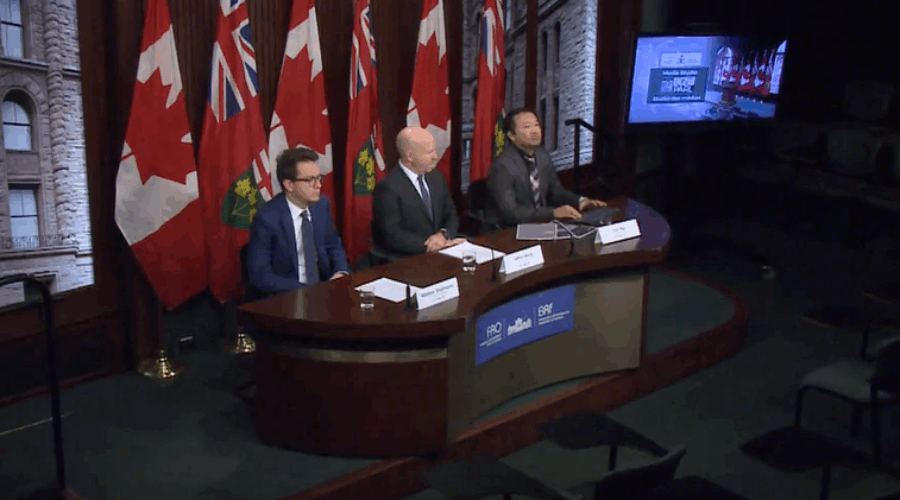
The Financial Accountability Office (FAO) issued its review of spending plans for the five ministries at the request of a member of provincial parliament.
Accountability Officer Jeffrey Novak says in each case, spending fell short of what is required.
“Overall, the FAO found that by 2027-28, planned spending in the 2025 budget is below the FAO’s cost driver forecast for each ministry,” says Nowak.
The five ministries currently account for 72% of all government spending.
In healthcare, for example, the province projects spending to grow at an average annual rate of 0.7% compared with the 6.6% average increase seen over the last three years.
The FAO estimates that spending will need to increase at least 4% to meet existing service levels.
With education, the FOA projects spending will need to increase 3.2% each year for the next three years, while forecasting annual increases of 4.2% to the Ministry of Children, Community and Social Services.
The FAO says spending could fall 2.1% for colleges and universities and still meet current service levels.
The provincial government eyes a 3.3% decrease in spending over the next three years.
The agency, which provides independent financial and economic analysis to the Ontario legislature, says several factors were taken into account in its projections, such as hospital beds, enrollment, and caseloads.
The FOA does not recommend how spending should change, but Nowak says their reports do serve as benchmarks that indicate whether the spending plans in the 2025 budget are likely to maintain, improve, or reduce the quality and accessibility of services.
He says it leaves the government with options.
“This means that the province will need to implement program efficiencies and/ or commit additional funding to maintain current service levels.