



Step outside and look up tonight, because April opens with a full moon that carries a hope a long story. The Pink Moon reaches its peak tonight at about 10:12PM.
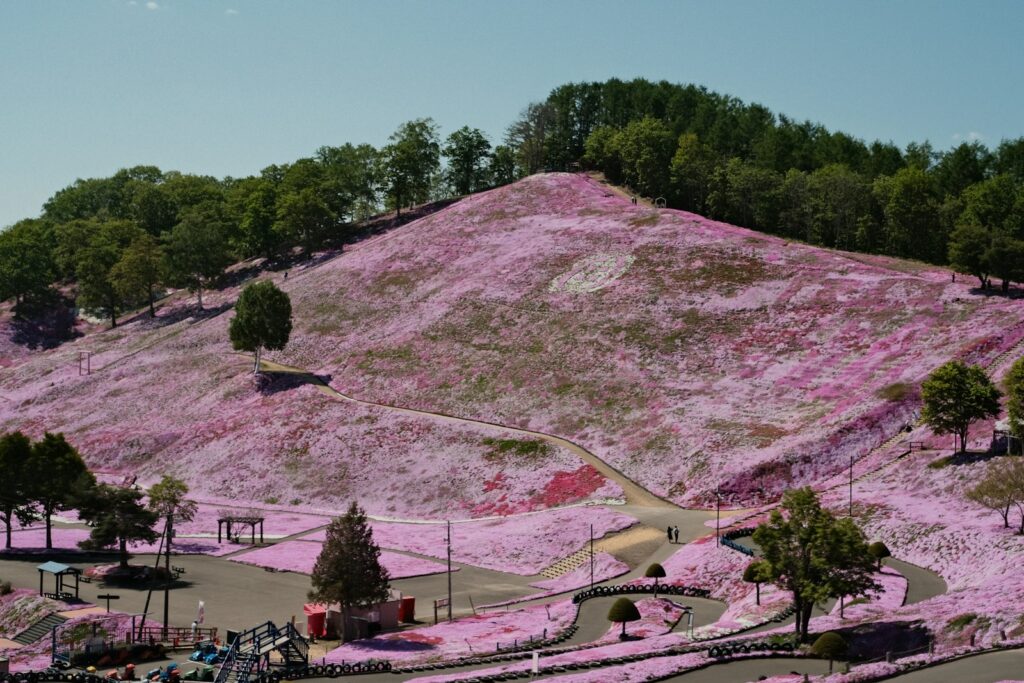
Despite the nickname, the moon will not turn pink. The label comes from the season, not the color. In eastern North America, a ground wildflower, called moss phlox, sometimes known as moss pink, blooms around this time each year, and over time that seasonal cue became attached to the April full moon. The name is now part of modern skywatching vocabulary, but its roots reflect a blend of Indigenous, colonial, and European naming traditions that used lunar cycles to keep track of the year.
Across cultures, April’s full moon has carried many other names. You will find, the Breaking Ice Moon, the Budding Moon of Plants and Shrubs, the Egg Moon, and along the coast, the Fish Moon, each pointing to thawed waterways, new growth, and nesting birds. Those seasonal names remind us that communities once organized hunting, sugaring, planting, and travel by the moon.
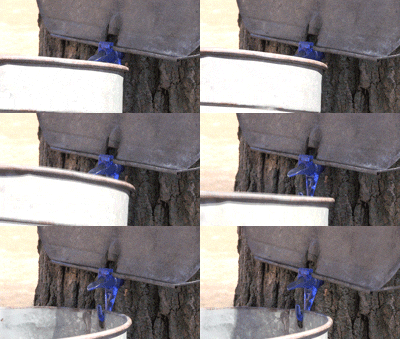
Here in Anishinaabe region, the lunar calendar is a living teaching. In many Ojibwe communities, the fourth moon aligns with Iskigamizige giizis, the Boiling Sap Moon, a time of making syrup, or with Namebin giizis, the Suckerfish Moon, tied to spring runs. These are not just labels. They are reminders to notice what the land and water are doing, to harvest respectfully, and to keep language and knowledge in motion. Names vary from place to place, which is part of the teaching as well.
There is also a thread of religious timing woven into tonight’s full moon. In Western Christian calendars, the first Sunday after the first full moon on or after March 21, sets the date for Easter, which is why you may hear April’s full moon called the Paschal Moon. In 2026 that rule places Easter on Sunday, April 5.
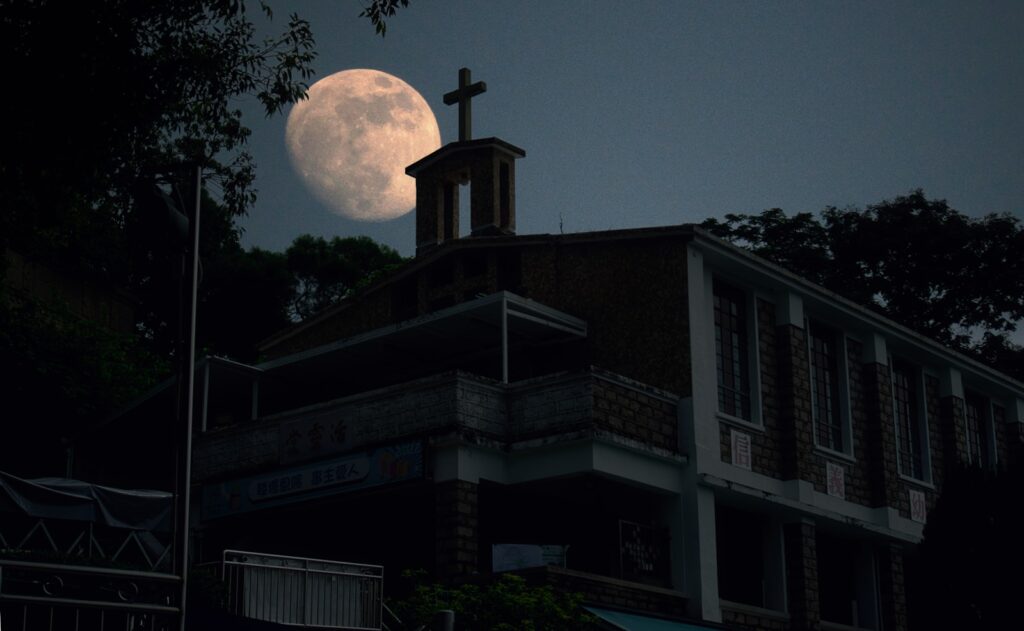
If you are wondering about the color at moonrise, there is a small trick of physics at play. When the full moon sits low on the horizon, its light travels through a thicker slice of our atmosphere, which filters out shorter blue wavelengths and lets the longer red and amber tones come through. That can give the disk a honey or copper tint near the horizon, but the surface itself has not changed. The name Pink Moon is a poetic nod to flowers, not a promise of a rosy orb.
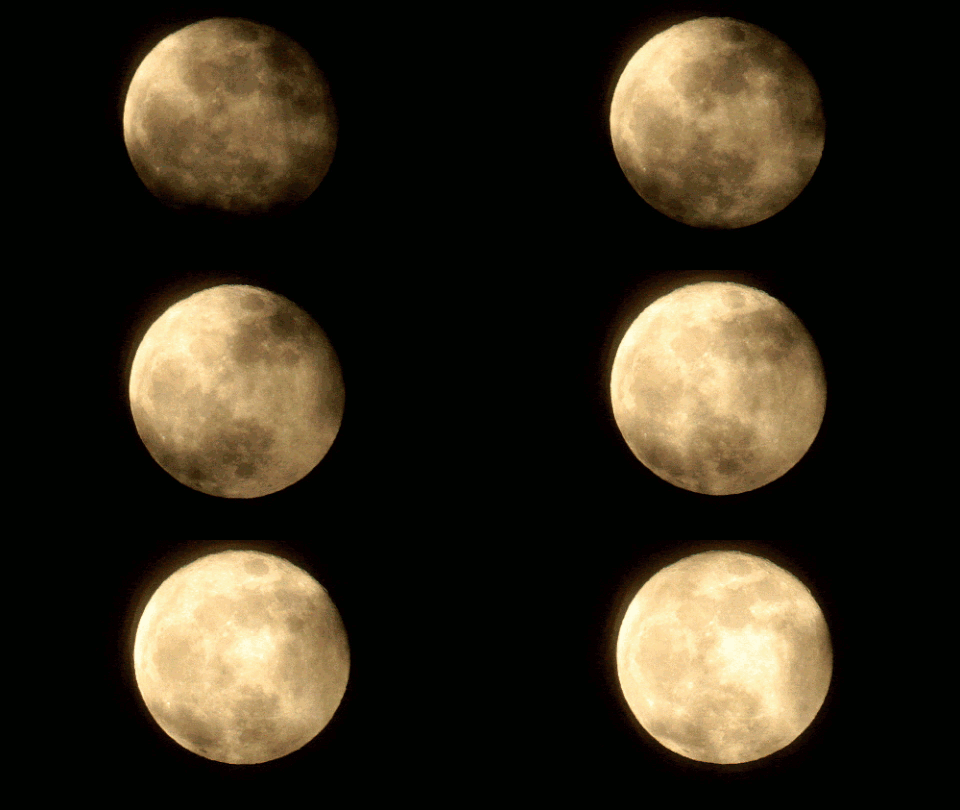
Spiritually, many people treat the first full moon of spring as a chance to reset. After winter’s homebody, anti-social season. April invites renewal, release, and growth. Contemporary writers of rituals talk about opening the windows, tending intentions like seedlings, and making space for gentler energy that aligns with longer days. Whether you see that as ceremony, self care, or simply a mindful pause, the theme is the same, new energy arriving with the blossoms.

On the science side, a full moon happens when the sun and moon are on opposite sides of Earth, so the moon face is completely lit. This one is not a supermoon. It is a regular full moon that happens to arrive close to the equinox, which means the change in moonrise time is more noticeable from one evening to the next.If you want the most dramatic view, catch it near the eastern horizon just after sunset.
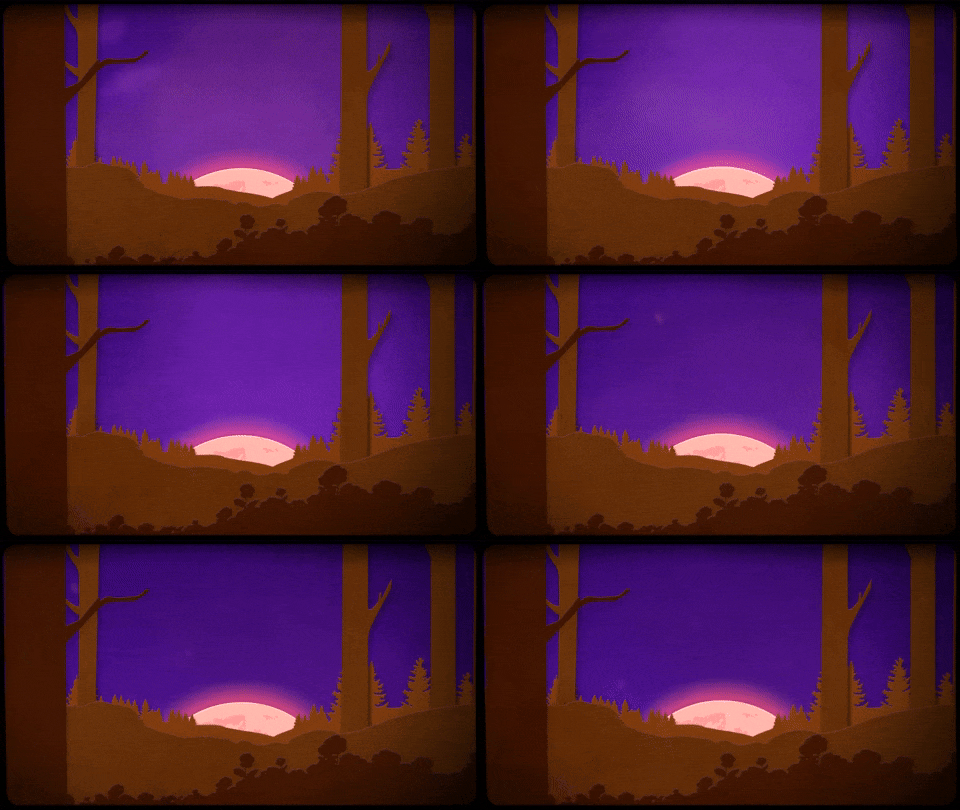
The best part of the Pink Moon might be its invitation. Asking you to reconnect with where you are, to notice sap in the trees, birds settling, and soft color returning to the ground. It connects sky to land, ceremony to calendar, and science to story, a reminder that spring does not simply arrive, we meet it.